Learning to Recharge Before Burnout
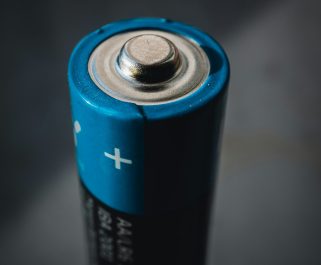
When working with clients, I often use the analogy of a battery to help us think about emotional wellbeing and the impact life can have on us.
If we imagine ourselves as a battery, it can be helpful to pause and consider: what in life drains our energy?
For many people, there are the obvious demands of daily life — work pressures, parenting, caring responsibilities, relationships, finances, grief, health difficulties, or simply the constant expectation to keep going. Some of these things cannot be changed and are outside of our control. Life naturally asks a lot from us at times.
However, there are also ways we may unknowingly allow our battery to drain more than it should. We may struggle to rest, find it difficult to say no, place everyone else’s needs before our own, or ignore the signs that we are emotionally exhausted. Often this does not come from weakness or failure, but from habit, responsibility, or feeling that we simply have no other choice.
Over time, many people become so used to functioning whilst depleted that they no longer recognise what it feels like to have a fully charged battery.
I often encourage clients to think about what happens when their battery begins moving into “reserve mode.” What are the signs? How do they know they are running low?
For some people, it may show up as irritability, anxiety, emotional overwhelm, exhaustion, tearfulness, difficulty concentrating, poor sleep, or feeling emotionally detached. Others may notice physical symptoms, a shorter temper, withdrawing from others, or feeling as though even small tasks suddenly become difficult to manage.
The reality is that many of us continue to push forward despite these signs. We tell ourselves we just need to get through the week, keep going a little longer, or hope things will settle down on their own. We continue running on reserve, often ignoring what our mind and body are trying to tell us.
But just like any battery, eventually we begin to struggle if we are never fully recharged.
One of the important things I explore with clients is the understanding that only we can plug ourselves in and recharge our battery. Other people can support us, encourage us, or care about us deeply, but ultimately we have to allow ourselves the time, space, and permission to recharge.
This is where self-care becomes important — not as a luxury, but as something essential for emotional wellbeing.
Recharging looks different for everyone. For some, it may involve improving sleep, eating regularly, taking medication consistently, exercising, resting, or spending time outdoors. For others, it may mean connecting with supportive people, allowing themselves to enjoy hobbies again, setting healthier boundaries, attending therapy, or simply giving themselves permission to stop for a while.
Sometimes recharging also means recognising what drains us unnecessarily. Are there relationships, expectations, habits, or pressures that leave us constantly depleted? Are we carrying more than we realistically can?
One thing I notice often is that people tend to recharge only enough to keep themselves functioning. They rest briefly, feel slightly better, and then quickly return to old patterns until they find themselves struggling again. It can become a cycle of surviving rather than truly recovering.
In therapy, we often work towards recognising the signs earlier and learning to recharge before reaching burnout or emotional exhaustion. The goal is not perfection or removing every stress from life — because that simply is not realistic. Instead, it is about building enough emotional resources and resilience so that when life becomes difficult, we are not already running on empty.
When our battery holds more charge, we are often better able to cope with challenges, manage stress, and care for both ourselves and others.
Perhaps today is an opportunity to pause and ask yourself:
What is currently draining my battery?
What helps recharge it?
And am I waiting until I hit reserve mode before I allow myself to stop?
You deserve more than simply surviving on low power.
You are allowed to pause, notice what you need, and care for your energy before it runs empty. If this resonates with you and you feel you would like support in exploring stress, overwhelm, or emotional exhaustion, I offer a safe and supportive space where we can work through this together at your own pace.
www.oceansbreezecounselling.co.uk